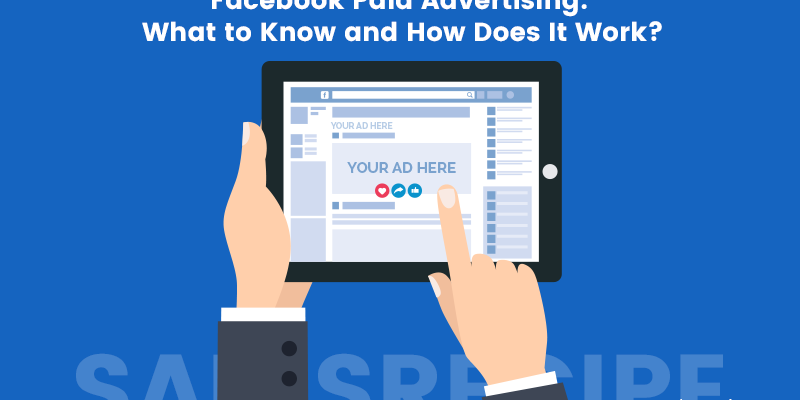

Facebook’s paid advertising feature is easy to use. Even if you have zero social media advertising experience, you can use it efficiently because it will ask you the right questions that can help you maximize the different aspects of your ad campaign. Just set the budget, and you can be sure to see a boosted post perform as intended.
However, not everyone knows which analytic information to act upon. Most marketers will pay attention to Reach. Some focus on the number of reactions their post receives and general quantities of clicks without intent. In fact, any boosted post will receive a greater number of clicks compared to typical updates. If you want to create meaningful content, then pay attention to these five.
Metrics That Are Valuable For Improving Facebook Campaigns
Impressions
Social network advertising in general intends to extend your influence in different networks by giving it priority over the competition for a limited time (or until your budget runs out). The Impressions metric shows you the number of times your advertisement was shown to the relevant crowd you indicated when you began the campaign.
Facebook charges you for every 1,000 impressions. Each day, the CPM (cost per impressions) varies because of the number of people the advertisement has been shown. If a larger crowd saw your ad 3,000 times in a single day, you will spend more using the budget you allocated during the start of your campaign.
Frequency
Facebook discourages post spamming or updating your page multiple times in an hour. However, it does not limit the paid advertisements you can run on a single day. As per best Facebook advertising practices, making your presence known without saturating users’ News Feeds is necessary, and it is a great brand development practice.
You can calculate frequency by dividing your Impressions with the number of Reach. Keep everything just below 3-4 for News Feed advertisements and just around 6-8 for advertisements on the right sidebar.
Link Clicks
You want to generate leads, and you want to know the number of people who clicked the ad link itself heading to your landing page. Each click will cost higher than Impressions, and you can get the sum (CPC) by dividing the Amount Spent metric (the total expense of the ad campaign so far) against the link click quantity.
You can derive the click-through rate (CTR) of your advertising campaign by dividing the number of link clicks by Impressions. The metric is important because you will want to know the headers, meta information, and other details that receive the most number of interactions that you can improve and implement in your next campaigns.
Leads
Impressions and link clicks can only tell you if your advertisement is getting attention. Leads can show you how many people signed up when they arrived on your landing page. However, you may need your webmaster for this one; Facebook requires that you set up a conversion tracking pixel to measure the number of leads your landing page receives. It’s quite simple to do if you want to go at it alone.
Facebook also charges you per lead (CPL). If your site only has a 30% conversion rate (divide Link Clicks with number of Leads), you might want to improve your landing page copy and other website aspects first, or research the correct audience your content might certainly appeal to. If you see your Impressions and CPM is quite high, it might be best to A/B test another type of audience. Here are great A/B testing methods to guarantee the consistency and efficiency of your leads.
Checkouts
Similar to Leads, Checkouts have its own tracking pixel that your webmaster or developer can set up on your landing page. Facebook can then measure the checkout potential and rate of your site based on its performance. It will also charge you per sale (just divide Amount Spent by the number of Checkouts).
Your cost per checkout (CPC) must be lower than the price of your product to deem the campaign as ideally successful. If your sales do not overpower your CPC rates, then you need to adjust certain ad campaign variables.
A low CTR means you need to redevelop your advertisement or target a different audience.
If your audience from other sources such as blogs and other social networks indicate stronger signs they would buy compared to your Facebook audience, then you can try using a retargeting strategy on Facebook.